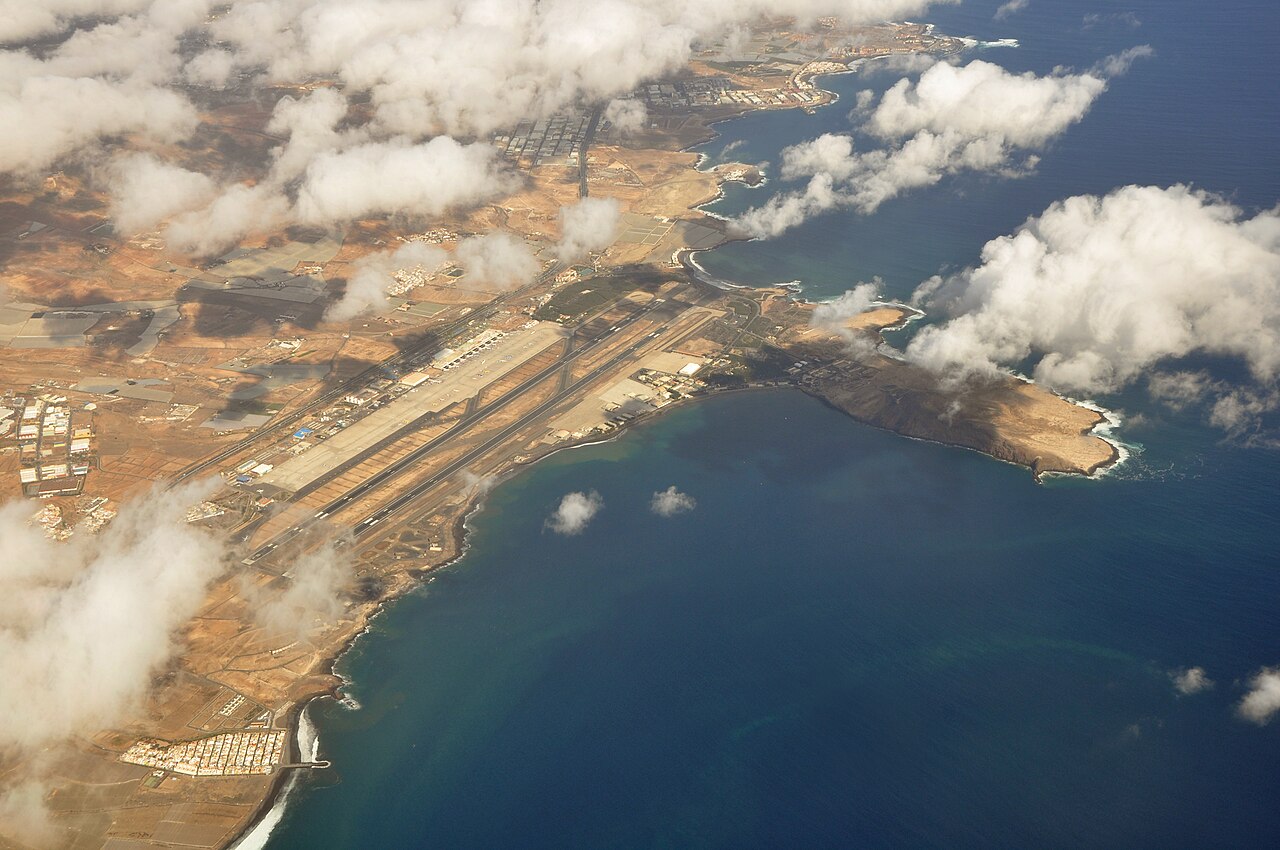
Spanish police have announced the arrest of five people in Gran Canaria in an investigation concerning the alleged trafficking and exploitation of migrant girls. InfoMigrants reports that officers identified two alleged victims and intervened before four further girls could be drawn deeper into the alleged network.
This is an account of a police investigation, not a court judgment. Vida Digital is therefore describing the allegations as allegations and will update the article if prosecutors or a court publish further verified information.
What police allege
According to the report, the investigation concerns girls who had arrived from countries in sub Saharan Africa and had lived in care centres. Police allege that false offers of work were used to recruit some of them and that some faced sexual exploitation.
The reporting does not establish criminal responsibility. It does, however, underline why safe accommodation, trained support staff and accessible reporting routes are important for children and young people without stable family support.
Protection is separate from immigration status
A child or young person who may be at risk of trafficking needs protection first. Immigration status should not prevent someone from seeking emergency help, medical care, child protection or legal advice.
The European Commission describes trafficking as a serious crime and says member states must identify and support victims. The practical services available vary by location, so a live case should be taken to local child protection services, a trusted legal adviser or emergency services.
What happens next
The next steps are for Spanish investigators, prosecutors and the courts. The public report does not provide a final account of every allegation or the outcome for any defendant.
Readers should avoid sharing names, images or personal claims about potential victims. Protecting privacy is especially important where minors may be involved.
Primary record